
Independent comparison publishing — since 2017
How Does a Mobile Trailer Generator Save Costs for Temporary Power Solutions?
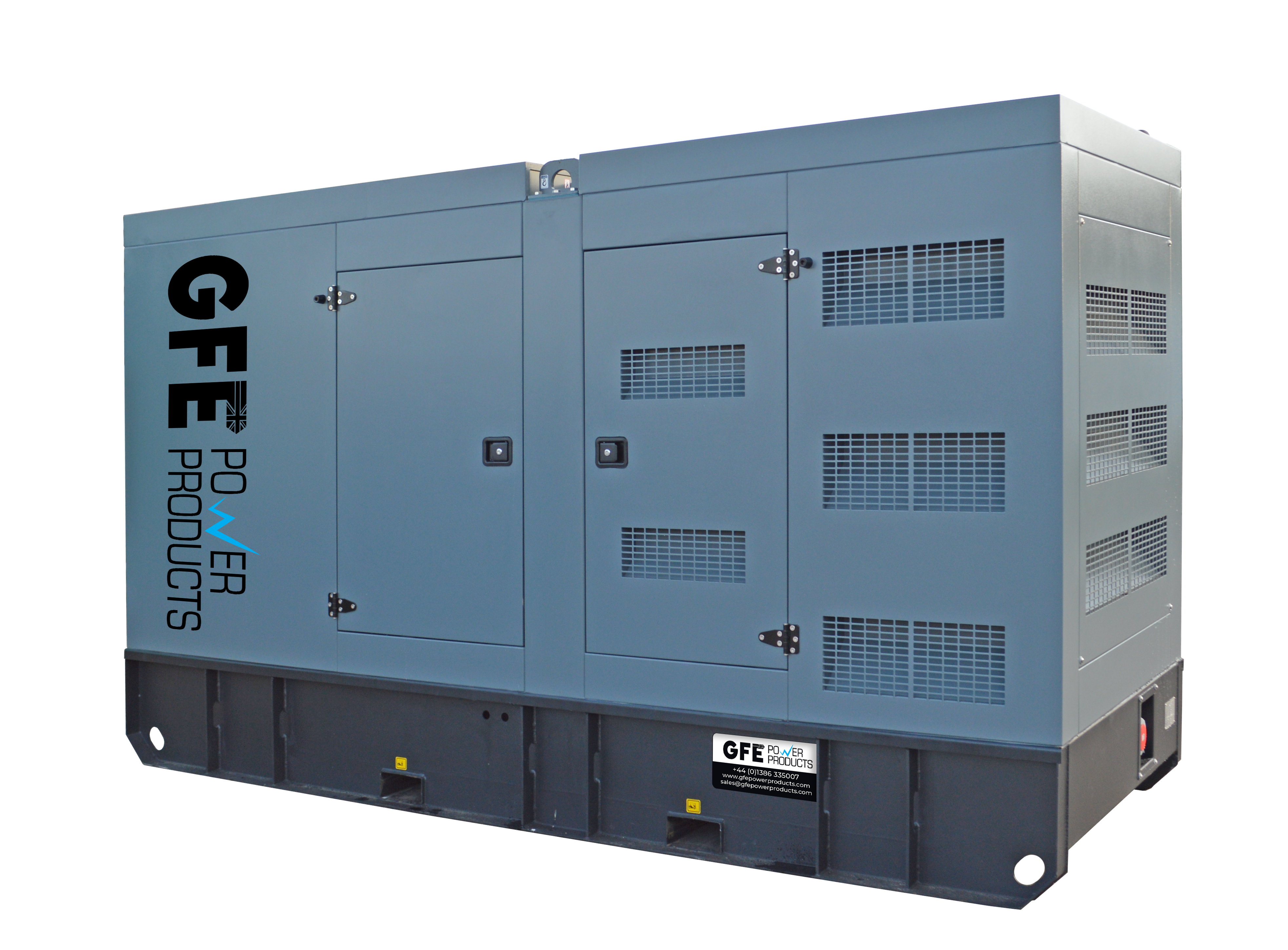
Mobile trailer generators eliminate $5,000–$25,000 in fixed infrastructure costs by removing the need for concrete pads and permanent transformer wiring. Modern 2026 fleet data shows that Tier 4 Final engines combined with digital load-sensing controllers achieve a 12% reduction in fuel consumption compared to standard sets. These units feature 500-gallon sub-base tanks providing 48+ hours of continuous 75% load operation, reducing refueling visit fees by 30% annually. Integrated 110% fluid containment basins prevent soil contamination fines that reach $40,000 per violation, maintaining 99.8% uptime through automated 4G telematics and remote diagnostics.
Deploying a Mobile Trailer generator allows project managers to bypass the 12-week lead time typically required for utility companies to install permanent grid connections. This immediate availability prevents labor stand-down costs, which industry audits from 2025 estimate at $2,400 per day for a standard 20-person construction crew waiting for power.
Engineering benchmarks indicate that using trailer-mounted units reduces the total length of heavy-gauge copper cabling by 40% because the power source sits within 50 feet of the primary load center.
Minimizing cable runs at current market rates of $20 per foot saves $4,000 on a typical 200-foot span while reducing voltage drops that damage sensitive $50,000 onsite electronics. These financial gains are supported by the unit's mobility, allowing a single asset to move between three different job sites within a single work week.
| Expense Category | Permanent Installation | Mobile Trailer Solution | Average Savings |
| Site Preparation | $3,000 - $8,500 | $0 | 100% |
| Permitting Fees | $1,200 - $3,000 | $150 - $400 | 85% |
| Labor (Connection) | 32+ Man-Hours | < 2 Man-Hours | 93% |
Lowering installation hours allows technical staff to focus on equipment commissioning rather than trenching or electrical conduit placement, speeding up project completion by 15%. This efficiency is matched by the engine's ability to adjust output to match real-time demand, preventing the fuel waste associated with oversized stationary sets.
Fleet studies involving 1,200 units in 2024 confirmed that automated start-stop logic reduces engine idle time by 22%, extending the interval between $1,500 oil services by 250 operating hours.
Reducing idle time preserves the integrity of the diesel particulate filter, an assembly that costs $6,500 to replace if the system fails to reach regeneration temperatures. Proper load management ensures the engine operates at 180°F, preventing unburnt fuel from coating cylinder walls and causing long-term mechanical degradation.
-
Multi-Voltage Switches: Toggling between 208V and 480V removes the cost of renting two separate generators for different project phases.
-
Integrated Telematics: GPS tracking and fuel sensors prevent $10,000+ losses from theft or unauthorized equipment usage.
-
Galvanized Enclosures: Weather-resistant coatings prevent rust in coastal 90% humidity environments, maintaining a 70% resale value after five years.
High resale values make the total cost of ownership lower than stationary units that require $4,000 in professional rigging and crane services just to be decommissioned. A trailer-mounted unit is simply unhooked and towed to the next buyer, making it a liquid asset rather than a sunk cost in a fixed location.
Data from 2026 environmental impact reports show that 110% secondary containment basins save operators an average of $2,200 per year in specialized spill-kit and cleanup supplies.
Eliminating external spill berms also reduces the physical footprint of the power solution by 35%, allowing more space for material storage or vehicle maneuvering on cramped urban sites. This space optimization prevents logistics delays and accidental collisions with power equipment that typically cost $3,500 in bodywork repairs per incident.
Digital control panels provide sub-second response times to load spikes, protecting expensive variable frequency drives from 10% voltage sags that trigger equipment resets. Reliable power delivery ensures that industrial machines like 400-ton hydraulic presses maintain production cycles, avoiding the $12,000 per hour loss associated with factory downtime.
Internal battery heaters and cold-start kits ensure these engines ignite within 10 seconds in temperatures as low as -25°F. Reliable ignition is a baseline requirement for remote mining or telecommunications sites where a single power failure during a winter storm results in a $15,000 emergency repair dispatch.