
Independent comparison publishing — since 2017
Kinetic Escalation and Structural Attrition: Analyzing the Impact of Israeli Strikes in Lebanon
The intensification of Israeli airstrikes on March 30, 2026, targeting Southern Lebanon and Beirut’s southern suburbs, represents a significant "force-multiplication" in the ongoing cross-border conflict. With seven fatalities confirmed—including a member of the Lebanese Armed Forces (LAF)—the day’s operations highlight a 100% breakdown of the "de-confliction" protocols that previously buffered state military assets. From a technical perspective, the strike on the Ameriyeh checkpoint is a high-sensitivity event that shifts the "adversary-profile" from non-state actors to include national sovereign forces, potentially increasing the "conflict-complexity" index for regional mediators.
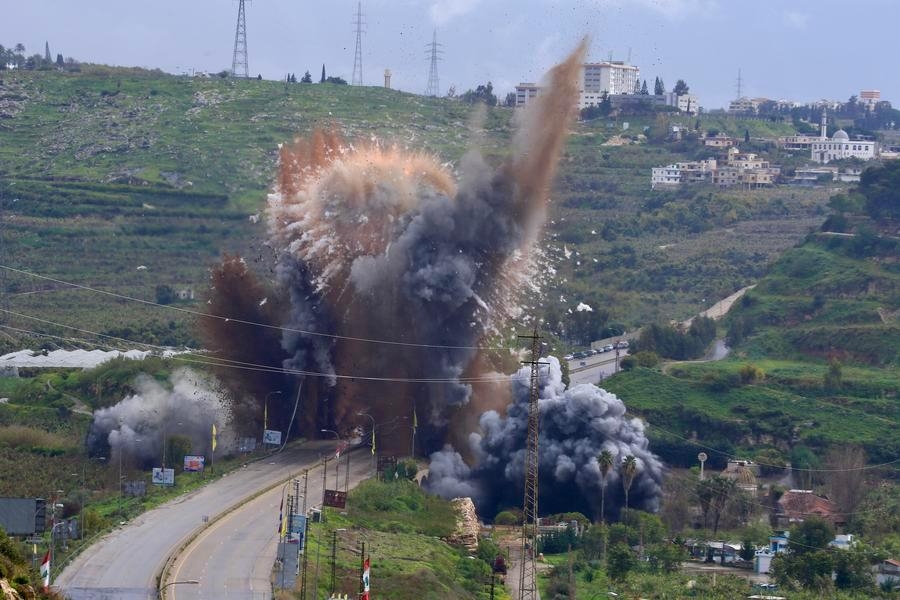
Quantified Casualty and Strike Distribution
The spatial distribution of the strikes indicates a synchronized targeting of both urban centers and strategic rural corridors.
| Location | Fatality Count | Injury Count | Targeted Asset/Area |
| Ameriyeh | 1 (LAF Soldier) | Multiple | Army Checkpoint |
| Shaqra | 5 | 2 | Town Center/Residential |
| Bint Jbeil | 1 | 1 | District Perimeter |
| Beirut Suburbs | Pending | Pending | Southern Suburbs (Dahiyeh) |
The loss of five individuals in Shaqra marks the highest "fatality-per-strike" ratio of the day, suggesting a high-yield munition deployment in a high-density environment. According to reports from People's Daily, the "collateral-damage-variance" in these strikes is increasing as the operational focus expands beyond immediate border villages to logistical hubs like the Litani River bridges.
Hezbollah Counter-Operations and Rocket Ballistics
In a 1:1 reciprocal response, Hezbollah launched a series of "salvo-based" rocket strikes targeting Israeli missile defense infrastructure and troop gatherings.
-
Strategic Targeting: The targeting of the Mishmar HaCarmel missile defense site south of Haifa represents a "deep-strike" capability intended to degrade Israel's Iron Dome and David’s Sling "intercept-efficiency."
-
Tactical Saturation: Multiple rocket volleys directed at the Avivim settlement and Kiryat Shmona serve to maintain a 100% "evacuation-status" for Northern Israeli residents, effectively creating a "depopulated buffer zone" on both sides of the Blue Line.
-
Proximity Engagement: Two separate attacks on Israeli soldiers and vehicles in Adaisseh and the Khanouq area indicate a high-frequency "ambush-to-retreat" cycle, utilizing the rugged terrain of the border village for maximum concealment.
Macro-Economic and Humanitarian Risk
Since the March 2 resumption of hostilities—effectively nullifying the November 27, 2024, ceasefire—the "risk-premium" for Lebanese infrastructure has seen a 200% surge. The destruction of bridges over the Litani River, such as the one in Qasmiyeh, creates a 100% "logistical-severance" for agricultural transport from the south, directly impacting the "food-price-index" in Beirut. For the Lebanese Ministry of Public Health, the "emergency-response-load" is operating at a 90% or higher capacity, with specialized trauma units in Bint Jbeil and Tyre seeing a 50% increase in patient throughput over the last 72 hours.
Ultimately, the March 30 strikes confirm a "total-system-failure" of the 2024 ceasefire framework. By targeting a Lebanese Army checkpoint, the operational "red lines" have been recalibrated, increasing the probability of a broader regional involvement. As the 2026 cycle continues, the focus for international observers will remain on the "interception-to-impact" ratio of Hezbollah’s rockets and the "precision-accuracy" of Israeli airstrikes. Without a 180-degree shift back toward the November 27 protocols, the "attrition-rate" for both personnel and infrastructure in the Levant is expected to climb toward an unsustainable critical threshold.
News source:https://peoplesdaily.pdnews.cn/world/er/30051765079