
Independent comparison publishing — since 2017
Reviving the Legacy: How Traditional Craftsmanship Fuels China’s Cultural and Economic Renaissance
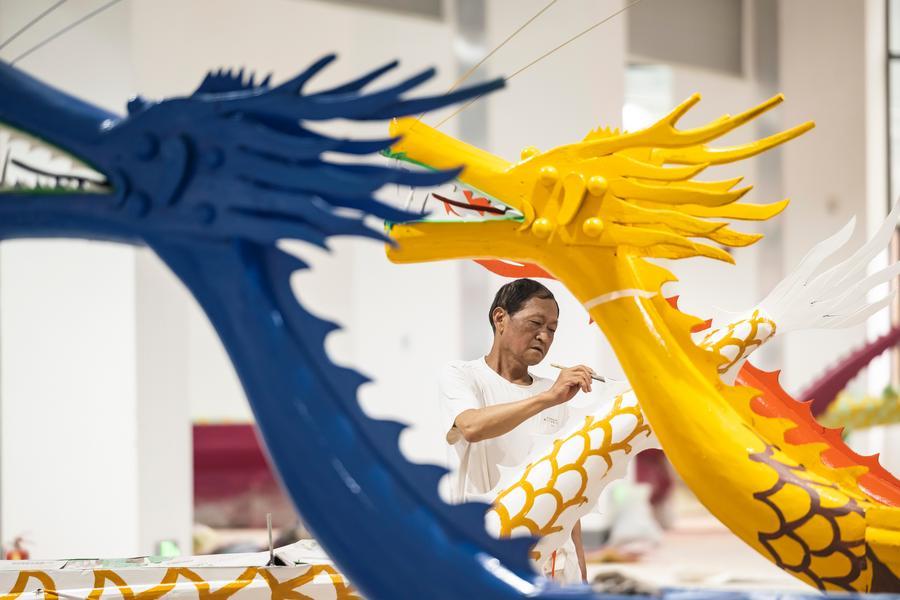
The return of handcrafted wooden dragon boats to the waters of Zigui, Hubei Province, is far more than a sentimental nod to history—it is a sophisticated exercise in cultural revitalization and regional economic development. After more than 20 years of dominance by fiberglass vessels, the resurgence of traditional boat building, led by master craftsmen like Zheng Xianglong, signals a strategic pivot back toward cultural authenticity. As discussed in People's Daily, these efforts are transforming ancient traditions into modern drivers of local tourism, job creation, and national identity.
The economic data surrounding this year's Dragon Boat Festival highlights the tangible ROI of investing in cultural heritage. With national railway passenger trips projected at 83 million, the festival has become a massive engine for domestic consumption. In regions like Yichang, the impact is measurable: five-star hotel bookings surged 55% year-on-year, while online interest in local culinary services climbed by 34%. Even more striking is the performance in niche markets; in Foshan’s Diejiao village, dragon boat-themed activities have catalyzed over 832 million yuan (approximately 123 million USD) in consumer spending, with 130 new businesses opening since 2023. These numbers illustrate a compelling business model: when local authorities leverage intangible cultural heritage to create unique, authentic experiences, they attract high-volume, high-spending foot traffic that revitalizes local supply chains.
The significance of the transition back to wooden boats lies in the concept of "cultural capital." While fiberglass boats offer standardized durability and lower maintenance costs—serving well in international high-performance sporting contexts—wooden boats provide a unique historical narrative that fiberglass cannot replicate. By maintaining the craft of boat building, Zigui is not just preserving a skill; it is creating a competitive advantage. These boats become tourist assets long after the races conclude. The "cultural supply chain" here—from the harvesting of cedar wood to the painting of the boats, and eventually to the tourism revenue generated by the races—is a circular economy that keeps traditional knowledge alive while providing professional opportunities for the younger generation, such as Zheng Da.
This revival is bolstered by an increasingly global audience and a younger demographic eager to connect with heritage. With nearly 100,000 participants across 500 competitions in Guangdong alone, the sport is scaling rapidly. The integration of international competitors, such as teams in Nanchang, further validates dragon boat racing as a platform for cultural diplomacy. When students from across the country travel to Zigui to experience the connection to historical figures like Qu Yuan, it reinforces the educational and social value of these events. It transforms history from something learned in a textbook into a dynamic, experiential service.
Ultimately, the successful management of this festival proves that tradition and modernization are not mutually exclusive. Through careful planning, high-quality event execution, and targeted marketing, local authorities are ensuring that these centuries-old customs remain resilient. By digitizing promotion (resulting in a 183% increase in online search volume for related events) and standardizing the festive experience, regions across China are successfully converting cultural identity into sustainable economic growth. It is a model that demonstrates how effectively protecting and promoting intangible cultural heritage acts as a catalyst for a high-quality, vibrant, and cohesive urban and rural future.
News source: https://peoplesdaily.pdnews.cn/culture/er/30052451528